Pricing your San Clemente home right now can feel tricky. You see different numbers online, buyers are selective, and time on market can stretch when a price misses the mark. You want a strong sale without leaving money on the table. In this guide, you’ll learn how to set a smart list price, read the current market, and use presentation to shorten days on market and improve your bottom line. Let’s dive in.
San Clemente market today
San Clemente is a high-value, low-inventory coastal market. Recent portal snapshots place city medians in the 1.6 to 2.0 million range, and the citywide sale-to-list ratio has hovered near about 98 percent in recent reports. At the same time, some listings are taking longer and seeing price reductions, especially when pricing overshoots buyer expectations.
These mixed signals mean accuracy matters. The best list price comes from a current MLS-based Comparative Market Analysis that looks at very recent closed sales, actives, pendings, and even expireds. In South Orange County, that means pulling data from the regional MLS and keeping your analysis current within the last 30 to 90 days.
Why numbers differ online
Portals measure different things and on different timelines. Some use typical home value models, some track days to pending, and others track days on market. That is why you may see big gaps among sites. For your pricing decision, rely on an MLS-driven CMA tailored to your home’s micro-area and features. If you want to understand where those numbers come from, your agent can walk you through a CRMLS-backed pricing packet and show how each comp supports the recommendation. Learn more about the regional system at the California Regional MLS.
Coastal vs inland pricing
Not all San Clemente neighborhoods behave the same way. Ocean proximity, direct views, and walkability to downtown or the pier tend to command premiums. Elevated enclaves with newer construction and view corridors often sit at the top of the local scale.
Inland master-planned communities can offer larger lots and newer floor plans, often at a lower price per square foot than cliffside or view properties. Value is still highly property specific. The key is to compare like to like in the same micro-area before making any adjustments.
Compare by micro-area
- Start with closed sales from the last 30 to 90 days inside your neighborhood or immediate area.
- Adjust for ocean or park views, lot size and usability, remodel level, garage and parking, HOA fees, and bed/bath mix.
- Use price per square foot only as a rough check. Unique features like a panoramic view or a cul-de-sac location can change buyer demand more than a simple average suggests.
- If you must look outside your tract, apply explicit adjustments before using those sales to shape your range.
Pricing strategies that work
A strong result in this market starts with a plan: a data-grounded price band, a polished launch, and a short review window to test demand.
A. Build your CMA and market test plan
Ask your agent to prepare a CRMLS-driven CMA that includes closed comps, active competitors, pendings, and expireds from the last few months. Pair that with a listing launch plan that outlines marketing, open houses, and a 7 to 14 day review period. Your CMA is your pricing anchor and should be refreshed if market conditions shift. Get familiar with the MLS backbone at the California Regional MLS.
B. Choose a pricing tactic
- Conservative/fast sale. If timing is critical, price slightly below the most likely contract price, often by 2 to 5 percent. This can draw a larger buyer pool and create multiple-offer potential when inventory is tight. Use this only when local supply is thin and your product type has strong recent absorption.
- Market-value listing. For most sellers, price at or just under the high end of your comp band. In a city where many homes close near list when priced well, this approach balances visibility with room to negotiate.
- List-high and wait. If your property has distinctive features and you can tolerate longer days on market, you can price above comps. Be realistic about risks: fewer showings and eventual price reductions if the market does not confirm the number.
C. Presentation that moves the needle
Buyers make decisions online first. Your goal is to stop the scroll and earn the in-person visit.
- Staging. According to the 2025 Profile of Home Staging, staging often shortens time on market, and many agents report offer increases in the 1 to 10 percent range for staged homes. Prioritize the living room, primary bedroom, and kitchen.
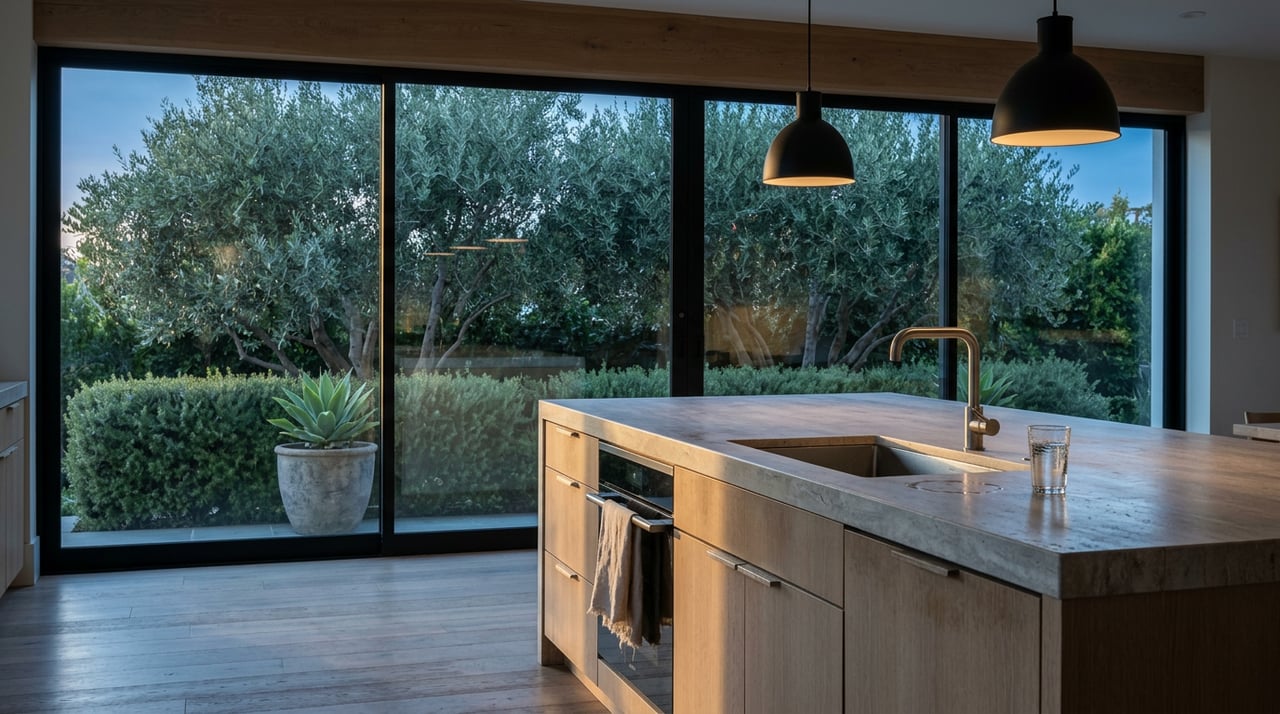
- Media stack. Invest in professional photography, a floor plan, and video or a 3D tour. The NAR Profile of Home Buyers and Sellers confirms most buyers screen homes online before touring. Lead with a twilight hero exterior and 20-plus high-quality images.
- Agent-to-agent outreach. Host a broker tour and share a clean package of comps, disclosures, and improvement notes. In our region, buyer agents drive a large share of showings and offers.
D. Seasonality and timing
Nationally, seller premiums often cluster in spring, with May historically ranking near the top. Local coastal markets can differ, so readiness and pricing precision matter more than the calendar. If you are close to launch, check near-term listing velocity and aim for a window when buyer traffic is rising. See national timing patterns in ATTOM’s analysis of the best time to sell a home.
Avoid these common mistakes
- Overpricing against comps. It reduces showings, invites price cuts, and lengthens days on market. Use a current CMA, then watch feedback and traffic closely in the first two weeks.
- Relying on portals alone. Online snapshots vary by method and timing. They are helpful for context but not for setting your exact list price.
- Skipping staging and pro photos. Presentation is the first showing. Research shows staging can shorten time on market and support stronger offers.
- Pricing for the wrong buyer segment. Match your price to the most likely audience for your home type. A coastal second-home buyer and an inland move-up buyer often filter and value features differently.
Your 14-day launch plan
- Days 0–3: Order your CMA and net sheet. Ask for a recommended price band, a launch date, and an outline of open houses and agent tours. Base the plan on CRMLS comps and current competition.
- Days 3–10: Tackle high-impact, low-cost fixes. Think paint touchups, landscaping refresh, lighting, and hardware. Even small repairs can speed the sale and reduce credits. For general ROI patterns on pre-list projects, review this appraisal perspective on renovation ROI.
- Days 7–14: Stage priority rooms and schedule media. Build your online package with pro photos, a floor plan, and video or 3D. NAR’s staging research outlines which rooms matter most.
- Launch week: Go live and track key signals. Monitor showings per week, online saves and views, agent feedback, and offers. Keep a written plan for one measured price adjustment if traffic misses expectations.
- Ongoing: Reassess if mortgage rates or new competition shift the picture. Refresh your CMA and adjust strategy rather than making repeated small cuts.
What you gain with GreenTree
You deserve a pricing plan that fits your home and your goals. As a boutique, broker-led team based in San Clemente, we pair neighborhood-by-neighborhood insight with polished listing presentation. You get experienced guidance, professional media, and steady communication from launch to close.
We handle straightforward sales and more complex situations with the same care. If you want confidence in your price, a strong first impression, and a plan to navigate today’s market, we are ready to help.
Ready to price with precision and move forward on your terms? Connect with GreenTree Properties to Request Your Home Valuation and get a custom CMA and launch plan.
FAQs
What is the right price for my San Clemente home?
- Portal medians currently span about 1.6 to 2.0 million, but your exact list price should come from a CRMLS-based CMA that compares like-kind sales in your micro-area over the last 3 to 6 months.
How does staging affect my selling price today?
- NAR’s 2025 staging study found staging often cuts time on market and that many agents saw 1 to 10 percent increases in offers on staged homes, especially when key rooms are prioritized.
Is spring still the best time to list in San Clemente?
- National data shows stronger seller premiums in spring, often May, but local readiness and correct pricing matter more; launch when your home and media are dialed in and buyer traffic is building.
How long should I wait before adjusting price?
- Review traffic and feedback after 7 to 14 days on market; if showings and inquiries lag versus similar listings, consider one strategic adjustment instead of multiple small reductions.
What marketing matters most for San Clemente buyers?
- Professional photos, a floor plan, and video or 3D tour are essential. Pair them with staging and agent-to-agent outreach to drive qualified showings and stronger offers.