Exploring San Juan Capistrano’s Historic Spanish & Ranch Homes
March 5, 2026
March 5, 2026
If you love red tile roofs, shady arcades, and breezy courtyards, San Juan Capistrano will feel like home the moment you arrive. Here, the city’s mission-era roots meet easygoing California ranch living, giving you a rare mix of Spanish-influenced, adobe, and ranch-style homes in one place. Whether you are shopping for character, land, or single-level comfort, you’ll find a style that fits. In this guide, you’ll learn how to spot each architecture type, where they tend to cluster, and what to consider before you buy or sell. Let’s dive in.
San Juan Capistrano’s look started with the landmark Mission San Juan Capistrano. Its cloisters, courtyards, and tiled roofs created a visual language that still shapes homes across the city. The Mission’s ongoing cultural programs keep that influence alive and easy to see when you visit the grounds and gardens. You can explore its history and architecture at the official site for Mission San Juan Capistrano.
Across the tracks from the depot, the Los Rios Historic District preserves some of California’s oldest continuously occupied homes, including original adobes from the 18th and 19th centuries. The district is listed on the National Register of Historic Places, which helps explain the care and review around exterior changes in the area. Learn more on the city’s page for the National Register of Historic Places listings.
After World War II, the region embraced the California ranch house. Low, horizontal homes with indoor-outdoor flow became popular across Orange County, and designers like Cliff May helped define the style. Many local ranch homes borrow Spanish details like stucco, arches, and tile while keeping that open, single-story feel. For context, see the UCSB museum feature on Cliff May and the ranch tradition, “Carefree California.”
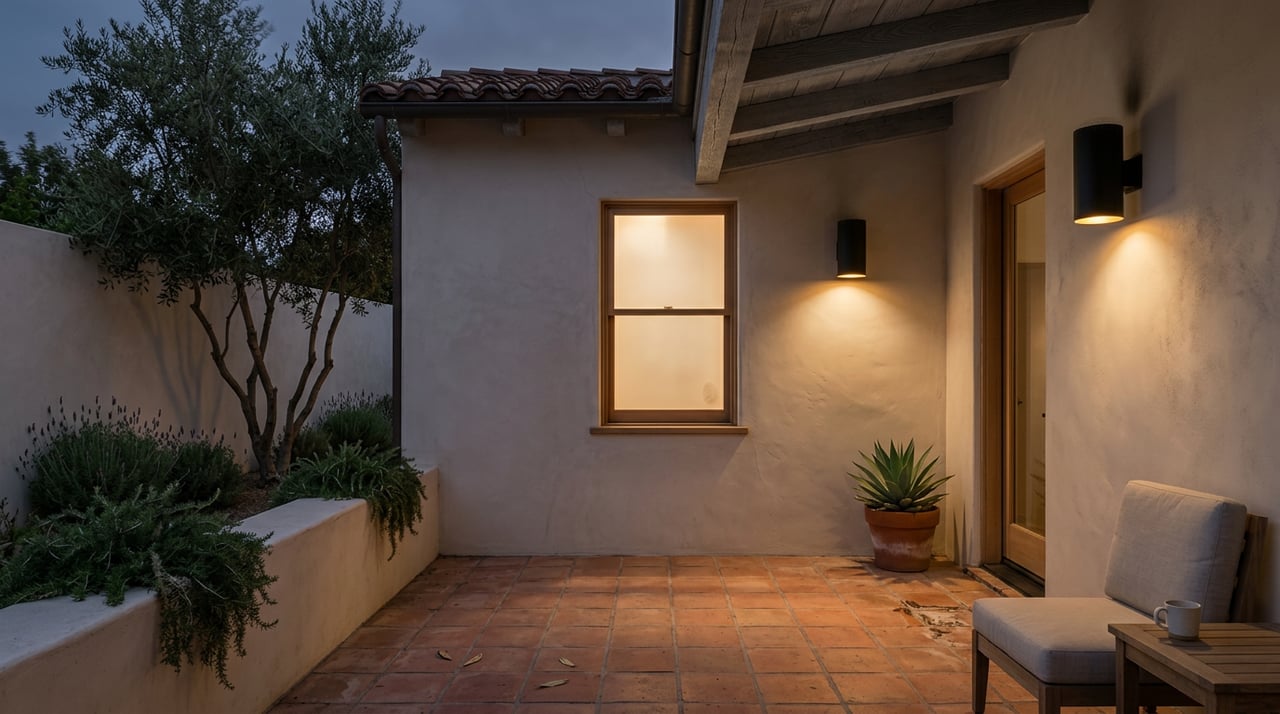
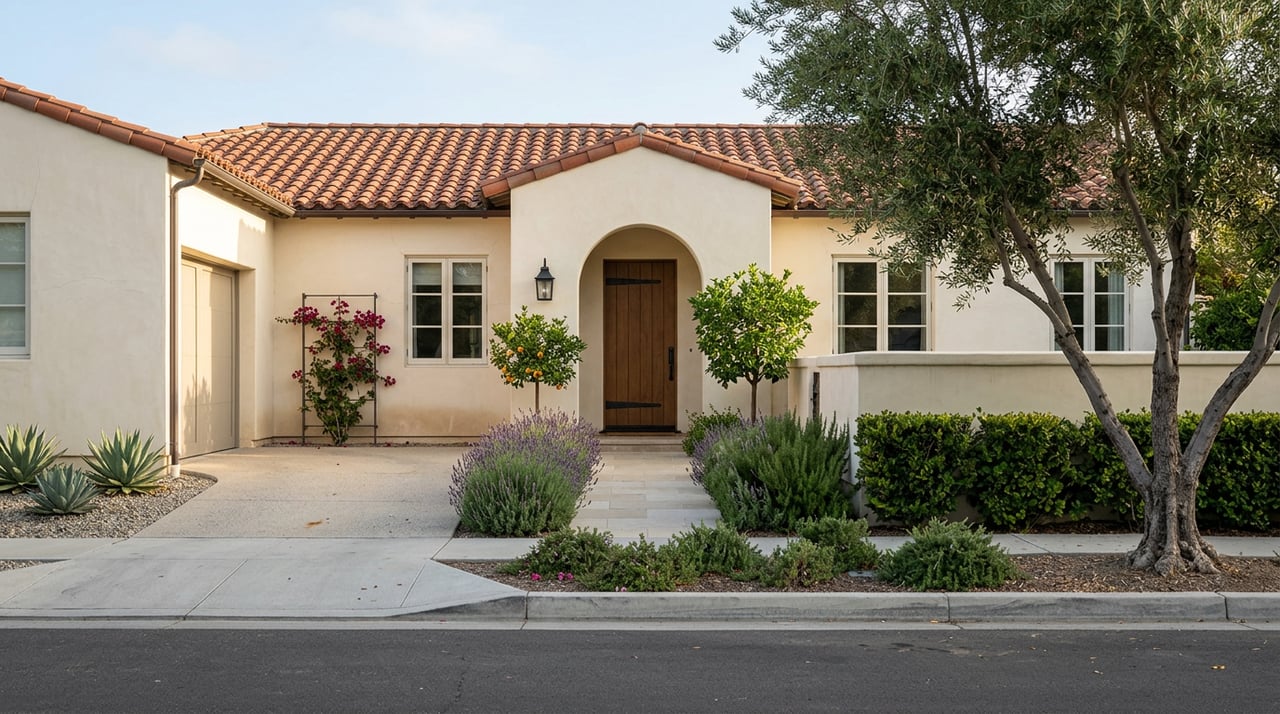
Spanish-influenced homes are easy to recognize once you know the signs. Look for smooth or textured stucco walls, red clay tile roofs, low-pitched rooflines, arched doors and windows, and carved wood doors with wrought-iron accents. Courtyards, arcades, and patterned tile details on floors, stairs, or fireplace surrounds are common. These are classic traits summarized by Fullerton Heritage’s architectural style guide and appear in both historic and newer interpretations around San Juan Capistrano.
Adobe is not just a style. It’s a building material made from sun-dried earthen bricks with straw, typically finished with lime or mud plaster. Thick walls, deep-set windows, and simple rooflines are typical. If you want a deeper primer on the material and its energy-efficient thermal mass, see this overview on what adobe is and how it performs.
If you are considering an older adobe, plan for specialized care. The National Park Service advises owners to control moisture, use compatible plasters and mortars, and avoid hard cement-based repairs that can trap water and damage earthen walls. Sensitive structural retrofits can be needed in seismic zones. Review the NPS guidance on preserving historic adobe buildings before you make decisions.
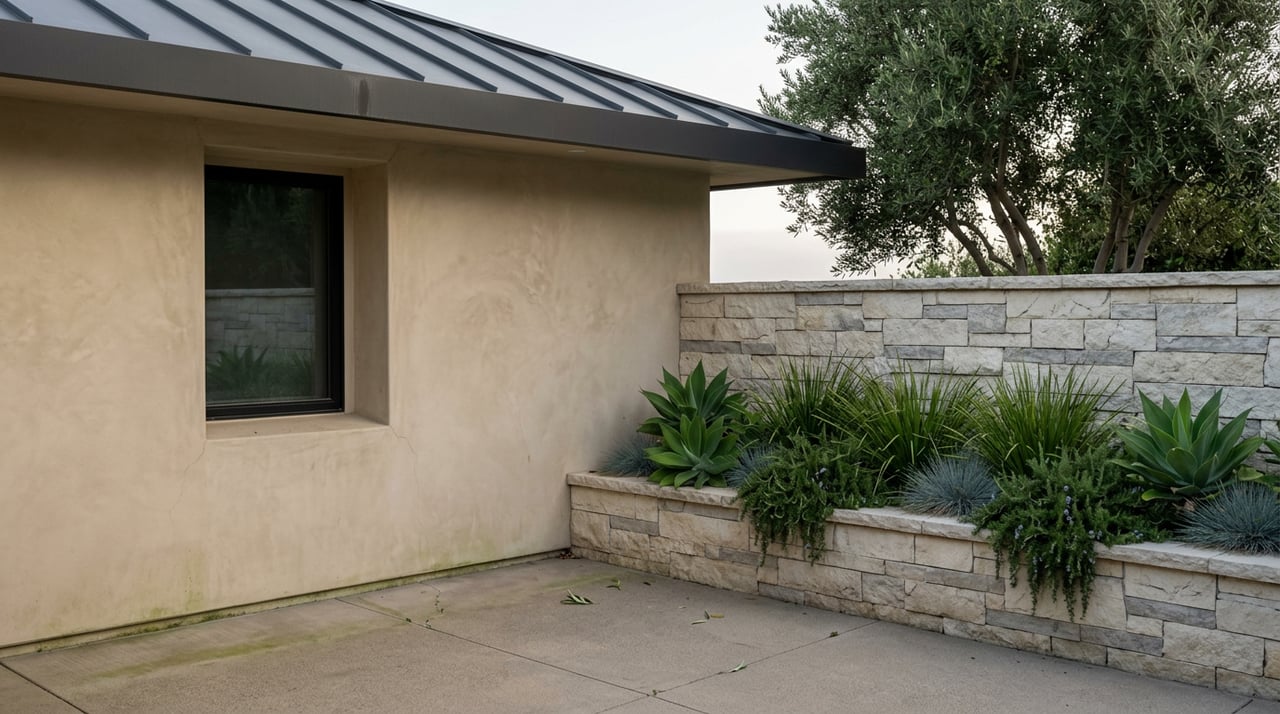
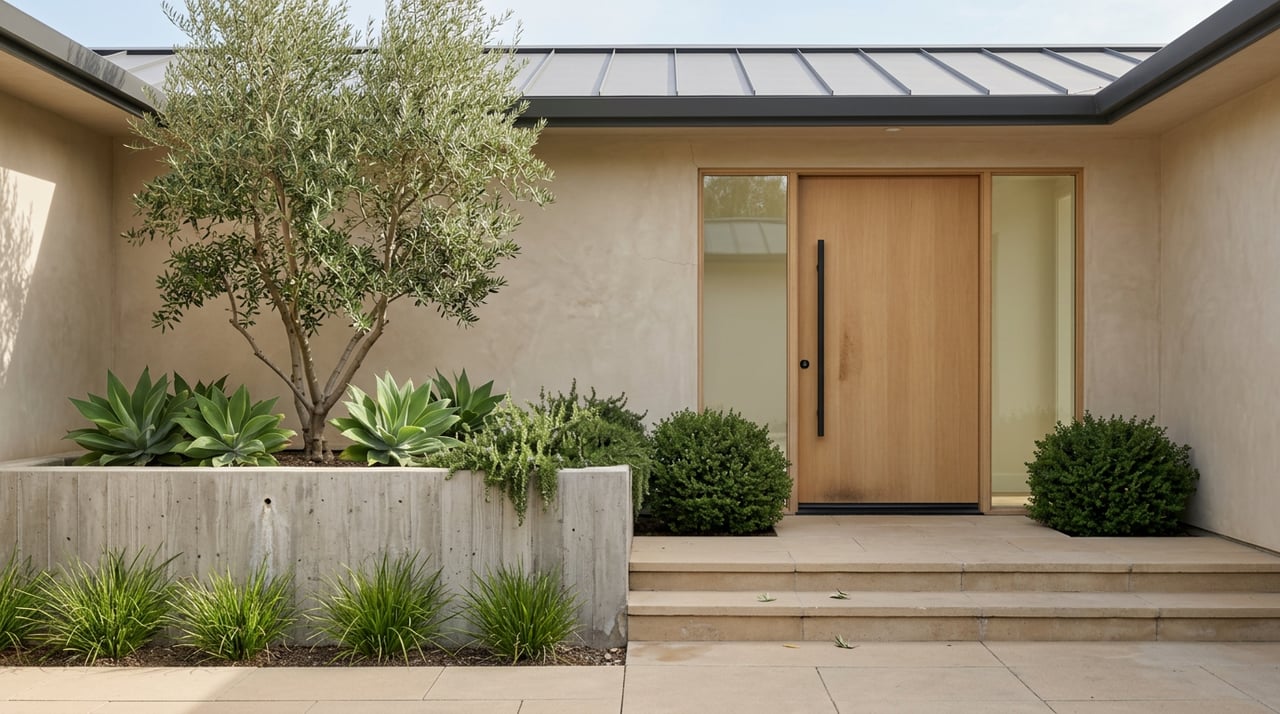
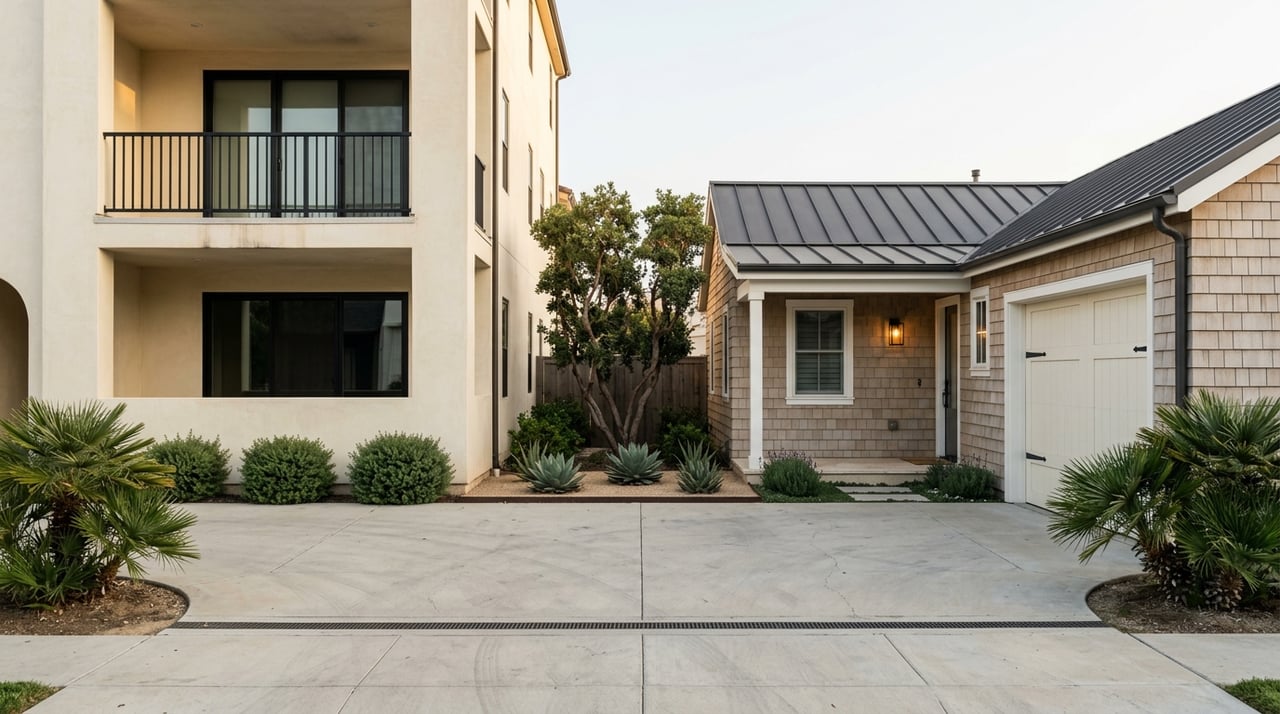
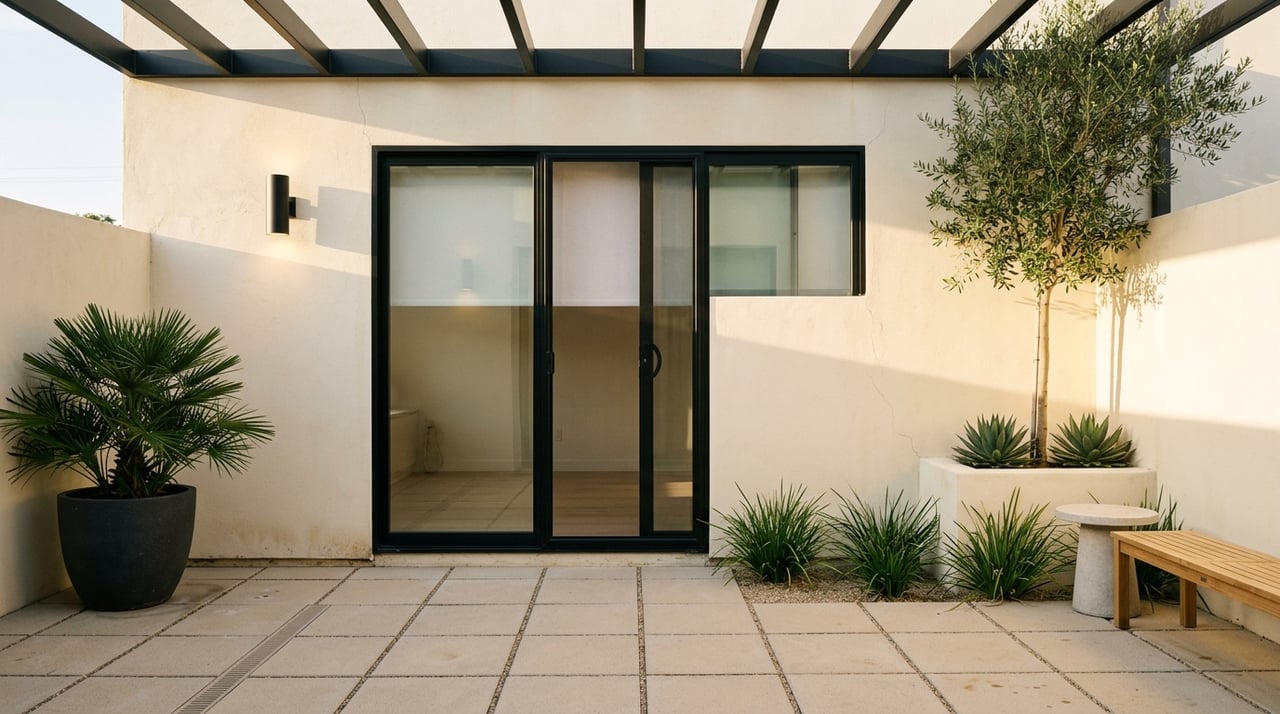
Ranch homes typically offer single-story living with an L- or U-shaped plan that opens to a patio. Large picture windows or sliders, attached garages, and a flowing, informal layout bring the outdoors in. In San Juan Capistrano, many ranch homes layer on Spanish touches like stucco, tile, and ironwork while keeping the low, horizontal profile that makes day-to-day living feel relaxed. The ranch’s indoor-outdoor lifestyle is a key reason the style remains popular, as shown in the UCSB exploration of the romance of the ranch house.
If you want charm and walkability, focus near the Mission, the Capistrano Depot, and Los Rios. The late 19th and early 20th century depot nods to Mission Revival design and creates an easy link between train access and the historic core. Many buyers choose this area for its pedestrian-friendly streets, cafés, and galleries. For a feel of how the station connects old and new, read Culture OC’s feature on how the Metrolink station honors the past.
If you dream of space for horses or room to spread out, look to Los Corrales, Hunt Club, Hidden Mountain, Stoneridge, Marbella, and parts of the San Juan Hills. Parcels can range from roughly a quarter acre to over an acre in select pockets. Many properties include paddocks, tack buildings, and direct access to local trail networks. The lots tend to accommodate single-level ranch homes and larger Spanish-inspired estates with courtyards and verandas.
On the hillsides, you’ll find larger footprints with golf or canyon views. Many homes began as single-level ranches and later expanded, often with two-story additions that keep the stucco-and-tile vocabulary. If views and outdoor entertaining are high on your list, these neighborhoods balance privacy with proximity to downtown.
San Juan Capistrano sits near an impressive network of county parks and preserves that support horseback riding, hiking, and camping. Ronald W. Caspers Wilderness Park and the broader O’Neill-Caspers regional trails give equestrian neighborhoods a strong foundation. To get a sense of the outdoor options, scan this overview of campgrounds and open spaces in Orange County.
Buying for character and lifestyle is exciting, but a careful eye protects your long-term investment. Use this quick checklist as you tour.
Spanish and Mission Revival homes
Adobe homes
Ranch homes
Equestrian properties
If your property is within or near a designated historic area, plan for review when changing visible exterior elements. San Juan Capistrano has long practiced preservation oversight in the Los Rios and downtown areas. This does not block upgrades, but it shapes materials and design choices. For context, see reporting on the city’s active preservation review in this Los Angeles Times archive story.
Buyers respond to quality kitchens and baths, but they also want the details that make Spanish and ranch homes special. Preserve or thoughtfully reintroduce features like courtyard access, wood beams, and iron accents. For ranch homes, restoring indoor-outdoor flow with wide sliders, shade structures, and landscape lighting can be a high-impact move.
Highlight what your home connects to. A Spanish bungalow near the Mission should feature its walk-to-downtown routine. An equestrian property should show barn orientation, turnouts, and nearby trails. Professional photography at golden hour makes courtyards and tile come alive, while aerials help buyers understand lot size and privacy.
Picture morning coffee in a quiet courtyard while swallows circle the Mission’s bell wall in the distance. Or an evening walk from the Depot through Los Rios for dinner on a shaded patio. If you prefer space, imagine a late-afternoon ride on local trails and a sunset barbecue under string lights in your ranch-style backyard. In San Juan Capistrano, architecture and landscape work together to support everyday rituals that feel grounded and relaxed.
Ready to explore Spanish, adobe, or ranch homes with a local guide who knows the streets, the stories, and the nuances of each property type? Reach out to GreenTree Properties to start a tailored search or to Request Your Home Valuation. We’ll align the right style and lifestyle with your goals.
Stay up to date on the latest real estate trends.