Dreaming of stepping out your back door, saddling up, and hitting the trail before breakfast? If you are exploring horse properties in San Juan Capistrano, you are in good company. You want space for your horses, practical facilities, and access to great riding without guesswork. This guide walks you through where to look, what to check, and how to avoid costly surprises so you can buy with confidence. Let’s dive in.
Where to find equestrian properties
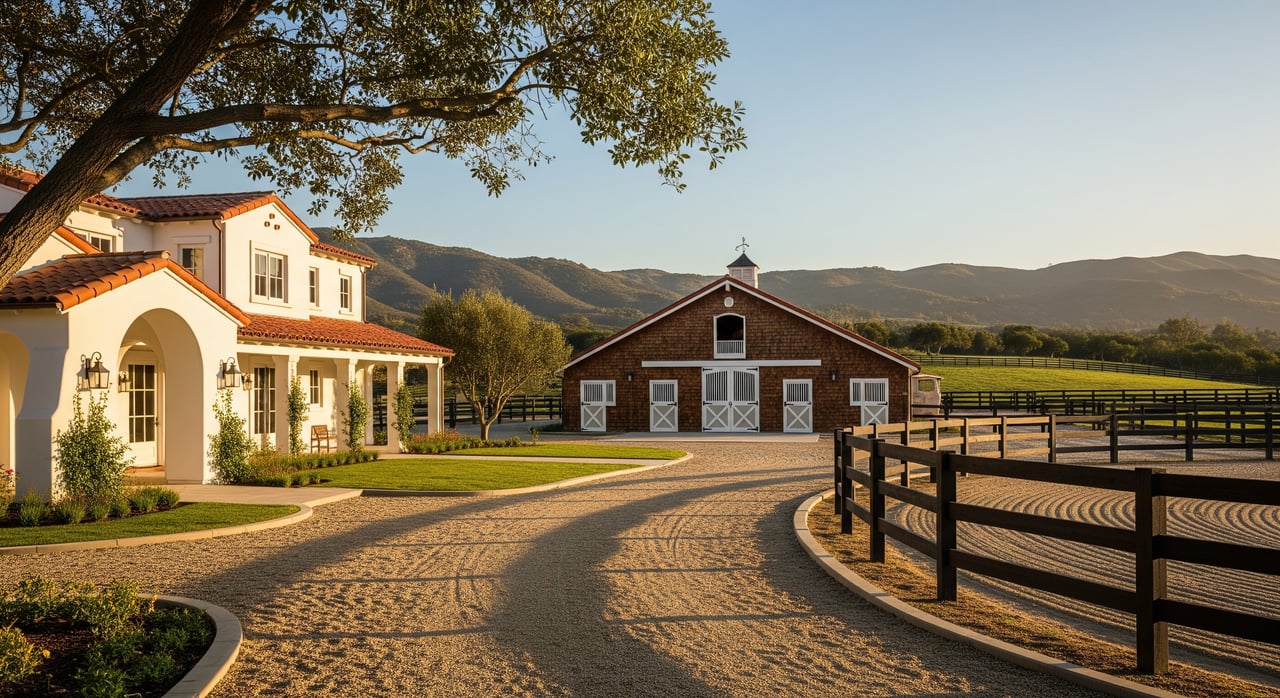
San Juan Capistrano blends historic charm with rural foothill and valley areas. If you want on-site horse facilities, focus on the lower-density parcels at the city’s edges and nearby unincorporated areas. These locations tend to offer larger lots, a more open feel, and better proximity to regional parks and open space.
Foothills, valleys, and nearby canyons
Properties near the foothill and canyon edges often sit close to regional open space. Parcels backing onto or near public lands can offer easier trail access and a rural setting. Lot sizes in these pockets tend to be larger, which helps with paddocks, arenas, and trailer access.
City vs county rules to verify
Before you fall in love with a property, confirm whether it sits inside San Juan Capistrano city limits or in unincorporated Orange County. Zoning, animal-keeping allowances, setbacks, and permits can differ by jurisdiction. Plan to verify the number of animals allowed per acre, required setbacks for barns and manure areas, and which existing structures were built with permits.
What to look for on the property
Finding the right horse property starts with layout and infrastructure. The goal is safe, efficient daily care that fits your riding style.
Lot size and layout
- Practical minimums: About 1.0 to 2.5 acres often supports one to two horses with efficient use. Larger parcels, 3 acres and up, offer more flexibility.
- Plan for a level arena pad, separate turnout areas, dedicated hay and tack storage, and a safe trailer circulation route.
Barns, stalls, and arenas
- Common barn features: Tack room, feed and hay storage that deters pests, grooming and wash areas, and ventilation for enclosed barns.
- Stall sizing: Many horses do well in about a 12×12 foot box stall. Always match stall dimensions and materials to your horse’s needs and current best-practice guidance.
- Arena footprint: Small arenas can start around 60×120 feet. Footing and drainage are critical in Southern California, where heavy rain events can pond poorly drained soils.
Fencing, water, and drainage
- Fencing: Post-and-rail, pipe, or board fencing are common. Aim for visibility, safe height around 4.5 to 5 feet, and solid gate areas.
- Water: Confirm reliable water supply. Some areas have city water, while others may use wells. Water rules and drought conditions can affect washing, irrigation, and pasture.
- Drainage: Well-planned grading and subsurface drainage protect stalls and arenas from mud and ponding.
Manure and biosecurity
- Plan for a designated manure storage or compost area that meets setback and runoff standards. Regular removal helps with odor and pests.
- For multi-horse or boarding use, include a simple quarantine and biosecurity plan for new arrivals.
Access and services
- Driveway geometry should fit large rigs and emergency vehicles. Check slope, turning radius, and gate width.
- Proximity to veterinarians, farriers, and feed suppliers impacts cost, convenience, and emergency response time.
Boarding vs keeping horses at home
There is no one-size-fits-all answer. Your choice depends on time, budget, and riding goals.
- On-site care pros: Full control of daily routines and facility standards, convenience for frequent riding, and a property tailored to your program.
- On-site care cons: Higher upfront build costs, ongoing maintenance and management, more responsibility for compliance and liability.
- Boarding pros: Lower capital costs, established routines, and a ready-made community. It can be a great way to test the area.
- Boarding cons: Monthly fees, less control over care, commute time, and possible waitlists in high-demand zones.
In Southern California, boarding fees vary widely by service level and amenities. Ask facilities for current pricing and any add-on charges for blanket changes, turnout, or vet and farrier coordination.
Trail access and riding in SJC
San Juan Capistrano sits near popular multi-use trail systems with equestrian access. Regional parks in the area offer staging areas and loops well suited to trail riding. Always check current park rules, seasonal closures, and parking requirements before you go.
Some properties may include private bridle paths or access easements. Verify any trail connections on title, and confirm that access is recorded and permanent.
Buyer due diligence checklist
When you find a promising property, use this checklist to protect your budget and timeline.
A. Regulatory and title checks
- Confirm zoning and permitted uses with the City of San Juan Capistrano or Orange County, depending on location.
- Review CC&Rs and HOA rules for animal limits, setbacks, and accessory structure standards.
- Verify recorded trail, utility, and road easements, including any bridle path access.
- Check permits for barns, arenas, and accessory structures. Unpermitted work can affect safety, insurance, and financing.
B. Site, soils, and water
- Water source: Confirm city service or test well capacity and reliability.
- Septic and wastewater: Make sure systems can handle wash racks or staff facilities if present.
- Soil and drainage: Evaluate arena sub-base, grading, and any clay pockets that could cause mud.
- Floodplain: Review flood maps, especially near San Juan Creek or other waterways, and confirm riparian setbacks.
C. Barns, infrastructure, and welfare
- Inspect barn structure, roofs, ventilation, electrical, and fire safety, especially near hay storage.
- Verify stall dimensions and materials for safe use and good airflow.
- Evaluate fencing, gates, and footing at entries for traction and durability.
- Ask about arena footing type, drainage design, and maintenance schedule.
- Review manure handling location, removal routine, and pest control.
D. Risk, safety, and environmental
- Wildfire readiness: Confirm defensible space and access for firefighting apparatus.
- Insurance: Get quotes from farm and ranch insurers, and ask about unpermitted structures or fire risk impacts.
- Neighbor context: Note adjacent land uses and ask about any history of conflicts related to odor, noise, or animals.
E. Operations and ongoing costs
- Map drive times to vets, equine hospitals, farriers, and feed suppliers.
- Confirm hay sources, storage capacity, and rodent control plans.
- If boarding on-site, plan staffing, payroll, and insurance needs.
- Budget for water, property taxes, fencing repairs, footing top-offs, and equipment upkeep.
F. Questions to ask the seller
- Which structures were permitted and inspected, and can you share records?
- How many horses lived on-site and what was the daily care routine?
- Where is manure stored, and how often is it removed or composted?
- Any drainage or flooding issues after big storms? How were they addressed?
- When was the last major work on fencing, arena, or roofs?
- Any neighbor disputes, encroachments, or easements that affect use?
- Are feed and hay deliveries straightforward for trucks and trailers?
Plan your budget
Beyond the purchase price, set a realistic operations budget. In Southern California, hay and water costs can be higher than average and can shift with weather and supply. Add farrier cycles every six to eight weeks, routine vet care, bedding, footing maintenance, and periodic fence and roof repairs. A clear budget helps you choose the right property size and facility scope.
How GreenTree helps
Buying an equestrian property is both a lifestyle choice and a technical purchase. You want a team that understands local zoning, trail access, and the unique demands of horse facilities. GreenTree is a boutique, broker-led firm with deep experience across San Juan Capistrano and South Orange County. We help you target the right areas, coordinate due diligence, and negotiate with clarity so you can ride more and worry less.
Ready to explore horse properties with a local advisor at your side? Connect with GreenTree Properties to start a thoughtful search or request a property review.
FAQs
What is a practical lot size for a horse property in San Juan Capistrano?
- Many buyers find about 1.0 to 2.5 acres supports one to two horses with efficient design, while 3 acres or more offers greater flexibility and buffers.
How do I verify if a San Juan Capistrano property allows horses?
- Confirm whether the parcel is in city or county jurisdiction, then check zoning, animal limits per acre, structure setbacks, and any HOA or CC&R rules.
What barn and arena features should I prioritize in Southern California?
- Look for safe stall dimensions, good ventilation, pest-resistant hay storage, and arena footing with strong drainage to handle heavy rain.
Where can I ride near San Juan Capistrano?
- Regional parks in the area provide multi-use trails that allow equestrians on designated routes, with rules and seasonal closures posted by park agencies.
What are the pros and cons of boarding instead of keeping horses at home?
- Boarding reduces capital and maintenance needs but adds monthly fees and less control, while on-site care increases control and convenience at higher setup and upkeep costs.
How do I check flood and wildfire risk for a horse property?
- Review flood maps near creeks and confirm defensible space measures for wildfire, then discuss insurance availability and costs for the property’s location.